
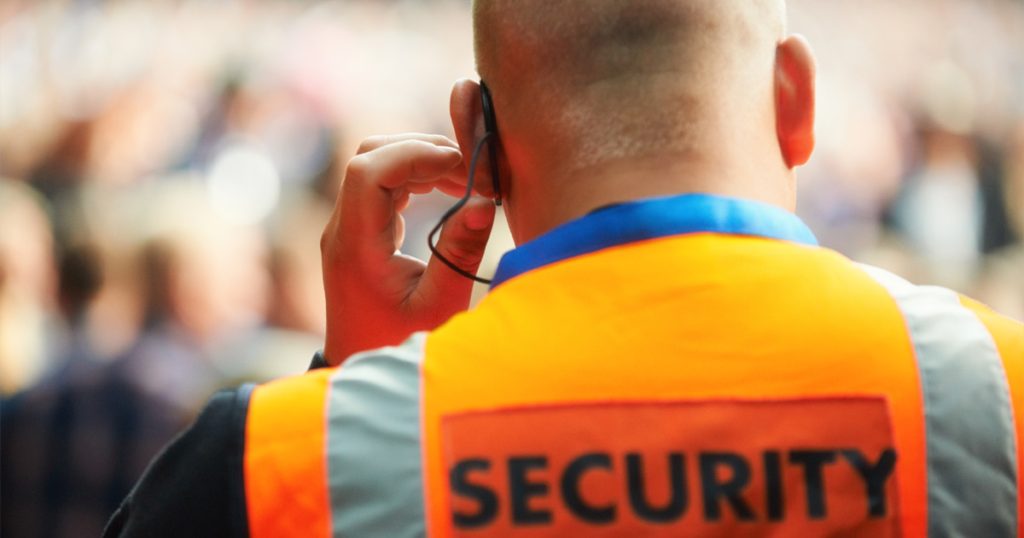
When planning an event, whether it’s a concert, corporate gathering, wedding, or festival, security is one of the most critical factors that determine its success. Event security services in Trenton is not just about having guards at the entrance; it encompasses risk assessment, crowd management, emergency preparedness, and ensuring that guests feel safe and comfortable. Without a proper security plan in place, even the most well-organized event can quickly turn into chaos.
Why Event Security is Crucial
The safety of guests, staff, and performers should always be a top priority at any event. Security teams play a vital role in preventing potential threats, handling emergencies, and ensuring that everything runs smoothly. Here are some key reasons why event security is essential:
- Guest Protection – Attendees should feel safe and comfortable throughout the event. A strong security presence deters potential troublemakers and ensures quick action in case of any incidents.
- Prevention of Unauthorized Access – Large events often attract individuals who may try to sneak in without proper credentials or tickets. Security ensures that only authorized guests are allowed entry.
- Emergency Management – Whether it’s a fire, medical emergency, or an unexpected security threat, having a trained security team ensures that the situation is handled swiftly and effectively.
- Crowd Control – Large gatherings can quickly become chaotic if not managed properly. Security personnel ensure that crowd movements are controlled, preventing overcrowding, fights, or stampedes.
- Theft and Vandalism Prevention – Events can be targets for thieves or vandals. Security teams monitor the premises to prevent property damage and theft.
- Compliance with Legal and Safety Regulations – Many locations and municipalities require strict security measures to be followed. Having a security team ensures compliance with these laws, preventing fines or shutdowns.
Key Components of Event Security
Event security involves multiple aspects that work together to create a safe and controlled environment. Below are the key components:
1. Risk Assessment and Planning
Before an event begins, security experts assess potential threats and vulnerabilities. This includes evaluating the venue, identifying emergency exits, and determining potential risks based on the type of event and expected attendees.
For example, a music festival with thousands of attendees requires a different security approach compared to a small corporate seminar. A proper security plan is then developed based on this assessment.
2. Access Control and Screening
Controlling who enters and exits the venue is crucial to event security. Measures such as ticket checks, ID verification, bag searches, and metal detectors help prevent unauthorized individuals from entering the event.
Security personnel stationed at entry points ensure that only those with proper credentials are allowed inside. At high-profile events, advanced screening technologies like facial recognition or RFID (Radio Frequency Identification) wristbands may be used for better security.
3. Surveillance and Monitoring
Modern events rely on advanced surveillance technologies to enhance security. CCTV cameras, drones, and real-time monitoring systems allow security teams to observe crowd movements, detect suspicious activities, and respond immediately to any threats.
Security personnel also conduct routine patrols throughout the event venue to maintain a visible presence and discourage unlawful behavior.
4. Crowd Management Strategies
A poorly managed crowd can lead to accidents, injuries, or even fatalities. Security teams implement crowd control measures such as designated entry and exit points, barricades, and pathways to prevent overcrowding.
Additionally, security personnel are trained to handle aggressive or intoxicated attendees and de-escalate conflicts before they turn into serious incidents.
5. Emergency Preparedness and Response
Every event must have an emergency response plan in place. Security teams work closely with local law enforcement, fire departments, and medical personnel to ensure a quick response in case of emergencies.
Evacuation plans, fire safety measures, first aid stations, and communication protocols are all part of effective emergency preparedness.
6. VIP and Performer Security
High-profile guests, celebrities, or speakers often require special security measures. Close protection officers (bodyguards) may be assigned to high-risk individuals to ensure their safety.
VIP areas and backstage zones are usually restricted and monitored to prevent unauthorized access.
How Event Security Enhances Guest Experience
Event security isn’t just about preventing threats—it also plays a significant role in ensuring that guests enjoy the event without worry. When attendees feel safe, they can focus on having a good time rather than being concerned about their surroundings.
Here’s how security contributes to a positive guest experience:
- Creates a Welcoming Atmosphere – Security personnel, when trained correctly, interact with guests in a friendly and professional manner, making them feel at ease.
- Prevents Disruptions – Unruly behavior, fights, or disturbances are handled quickly, ensuring that other guests are not affected.
- Provides Assistance – Security teams often help lost guests, provide directions, or assist in case of minor medical issues.
- Maintains Order – Organized entry and exit procedures, efficient crowd control, and clear security measures ensure a smooth and enjoyable experience for all attendees.
Hiring Professional Event Security: What to Look For
Not all security teams are the same, so choosing the right professionals for your event is crucial. Here are some factors to consider when hiring an event security service:
1. Experience and Reputation
Look for a security company with a proven track record in handling events similar to yours. Experienced teams understand potential risks and have strategies in place to mitigate them.
2. Trained and Licensed Personnel
Security guards should have proper training in conflict resolution, first aid, crowd control, and emergency response. Ensure that they are licensed and certified according to local regulations.
3. Communication Skills
Good security officers don’t just enforce rules—they communicate effectively with guests, staff, and law enforcement when necessary.
4. Adaptability
Events are dynamic, and unexpected situations can arise. A reliable security team should be able to adapt and respond to changing circumstances swiftly.
5. Technology and Equipment
Modern security services utilize advanced technology such as surveillance cameras, body scanners, and radio communication systems. Ensure that your security team has access to the necessary tools for effective monitoring.
Conclusion
Event security is a fundamental aspect of planning and executing a successful event. From risk assessment to crowd control and emergency response, security teams ensure that guests, staff, and performers remain safe while creating an enjoyable experience.
By investing in professional event security, organizers can prevent potential threats, handle unexpected situations efficiently, and ensure compliance with safety regulations. Ultimately, a well-secured event not only protects attendees but also enhances the overall success and reputation of the event.