
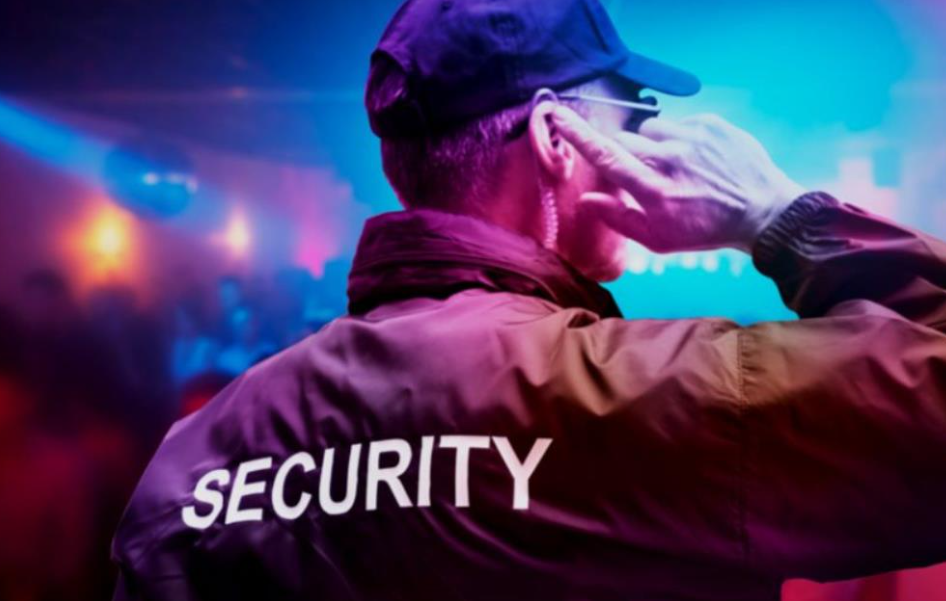
When organizing an event, security is one of the most crucial aspects to consider. Whether you’re planning a corporate gathering, a music festival, a wedding, or a private party, ensuring the safety of guests, staff, and assets is paramount. Event security services are designed to prevent and respond to potential threats, ensuring everything runs smoothly.
1. Why is Event Security Important?
Before we explore the various types of event security services in Cherry Hill, it’s important to understand why security matters in the first place. Events, regardless of their size, attract different types of people. Some may attend with good intentions, while others may pose risks. Proper security services help:
- Prevent unauthorized access
- Reduce the risk of theft or vandalism
- Control large crowds to prevent chaos
- Handle emergencies effectively
- Ensure compliance with local laws and safety regulations
Now, let’s look at the different types of security services available for events.
2. Types of Event Security Services
2.1. Access Control Security
One of the primary security services for any event is access control. This includes:
- Checking invitations, tickets, or identification
- Restricting unauthorized personnel from entering certain areas
- Ensuring VIPs and special guests have a secure space
- Using metal detectors or bag checks if required
Access control security prevents unwanted disruptions and ensures only authorized attendees are allowed in.
2.2. Crowd Control Security
For large events such as concerts, sports events, or public gatherings, crowd control security is essential. These personnel are trained to:
- Manage large groups of people and ensure smooth movement
- Prevent overcrowding and dangerous stampedes
- Diffuse conflicts that arise in a crowd
- Set up barricades or restricted zones if needed
Proper crowd control prevents accidents and ensures a comfortable experience for attendees.
2.3. Armed and Unarmed Security Guards
Depending on the nature of the event, organizers may hire armed or unarmed security guards.
- Unarmed Guards – Typically used for general security and crowd management. They can monitor entry points, patrol the venue, and respond to minor disturbances.
- Armed Guards – Used for high-profile events or those with potential security risks. These guards are trained to handle serious threats and respond accordingly.
High-profile events with celebrities or political figures may require armed security for maximum protection.
2.4. Surveillance and Monitoring Services
Many events incorporate surveillance technology to enhance security. This includes:
- CCTV cameras placed at key locations
- Security personnel monitoring live feeds
- Facial recognition technology for high-risk events
- Drones for aerial surveillance (used in large outdoor events)
Surveillance services help detect suspicious activity early, allowing security teams to respond before issues escalate.
2.5. Personal Security (VIP and Executive Protection)
For events with high-profile guests, personal security services are often required. These services include:
- Bodyguards – Highly trained professionals who protect individuals from threats.
- Escort Services – Ensuring safe transport to and from the venue.
- Private Security Teams – Often used for politicians, celebrities, or corporate executives.
VIP protection ensures that special guests can enjoy the event without concerns for their safety.
2.6. Cybersecurity for Events
In today’s digital world, cybersecurity is just as important as physical security, especially for corporate events and large-scale festivals that handle sensitive data. Cybersecurity services include:
- Protecting online ticketing systems from hacking
- Securing Wi-Fi networks at the event
- Preventing data breaches from digital registrations
- Monitoring social media for potential threats
Cybersecurity measures help safeguard attendee information and prevent digital disruptions.
2.7. Emergency Response and Medical Security
Emergencies can occur at any event, from medical incidents to fire hazards. Having a trained emergency response team is crucial. This service includes:
- On-site paramedics and first-aid stations – Ready to assist with injuries or health concerns.
- Fire safety personnel – Ensuring fire exits are clear and equipment is in place.
- Evacuation planning – Helping guests exit safely in case of an emergency.
Quick response to emergencies can prevent serious consequences and save lives.
2.8. K-9 Security Units
For events requiring high-security measures, K-9 (canine) units may be deployed. These trained dogs and handlers specialize in:
- Detecting explosives or drugs
- Conducting security sweeps before an event
- Assisting security teams with crowd control
- Providing an added deterrent to potential threats
K-9 security is commonly used in airports, large stadiums, and high-risk gatherings.
2.9. Event Parking Security
Parking lots can be hotspots for theft, vandalism, and unauthorized entry. Event parking security includes:
- Monitoring parking areas to prevent car theft or break-ins
- Assisting guests with parking and directing traffic
- Ensuring only authorized vehicles have access to restricted areas
- Providing escort services for guests who feel unsafe walking to their cars
A well-secured parking area enhances overall event safety.
3. How to Choose the Right Security for Your Event
Not every event requires the same level of security. To determine the right security services, consider the following factors:
3.1. Event Size and Type
- Large-scale events (concerts, festivals) require crowd control and surveillance.
- Private parties may only need access control and unarmed guards.
3.2. Risk Level
- High-profile events may need armed security and VIP protection.
- Family-friendly events may require minimal security but need emergency responders on standby.
3.3. Venue Location
- Indoor venues may require access control and CCTV surveillance.
- Outdoor events need perimeter security and possibly K-9 units.
3.4. Budget Considerations
- Security is an investment in safety, but costs should align with your event’s financial plan.
- Hiring a professional security agency ensures efficiency and reliability.
4. Final Thoughts
Event security is a vital component of any gathering, ensuring that attendees, staff, and property remain safe. Whether it’s a small private function or a large public event, security services provide peace of mind and help prevent potential risks.
By understanding the different types of event security services, event organizers can make informed decisions on how to protect their guests and ensure a smooth and successful event.