
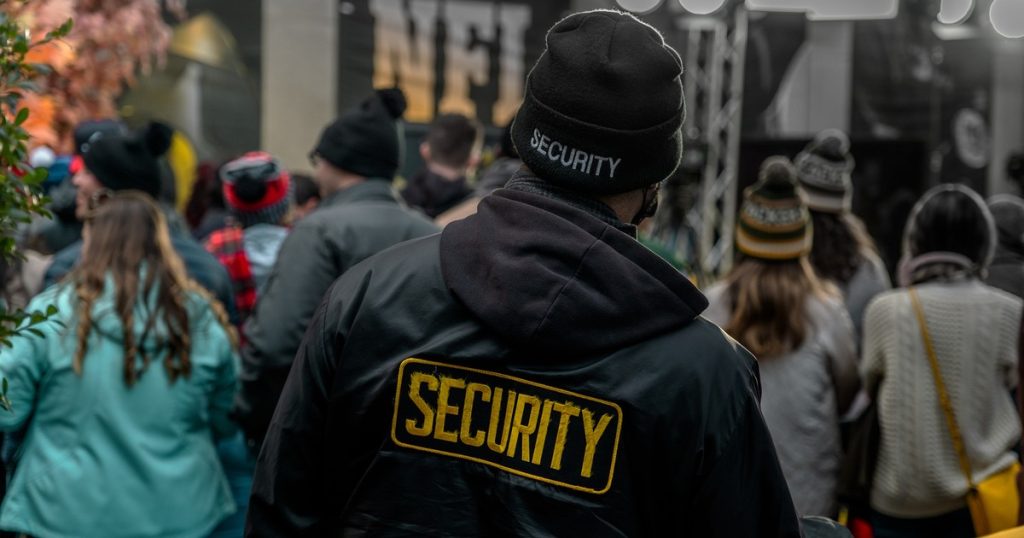
When planning an event, whether it’s a music festival, corporate gathering, sports event, or community fair, one of the most critical aspects to consider is security. Without a well-thought-out security plan, an event can quickly become chaotic, leading to potential dangers for attendees. Event security services in Pennsauken is responsible for ensuring crowd control, managing emergencies, and keeping the event running smoothly.
In this blog, we’ll explore how event security plays a vital role in crowd control and emergency management, why it’s essential, and the best practices used to maintain safety at events.
The Importance of Event Security
Hosting an event requires more than just entertainment, good food, and a great venue. Ensuring the safety of guests is crucial, and this is where event security comes in. Security personnel help prevent unwanted incidents, respond quickly to emergencies, and create a sense of safety that allows attendees to enjoy the event without fear.
Some key reasons why event security is important include:
- Preventing overcrowding – Large crowds can quickly become dangerous if not managed properly. Security helps control the flow of people and prevents stampedes.
- Handling conflicts – At any event, there is always a chance of disputes or fights breaking out. Security personnel are trained to defuse situations before they escalate.
- Protecting VIPs and performers – Celebrities, speakers, and performers often require extra security to keep them safe from overenthusiastic fans or threats.
- Emergency response – Whether it’s a medical emergency, fire, or security threat, event security teams are prepared to handle crises efficiently.
Now, let’s take a closer look at how event security professionals effectively manage crowd control and emergencies.
Crowd Control: Keeping the Event Safe and Orderly
Crowd control is one of the biggest challenges of event security. If an event attracts a large number of people, ensuring they move in an orderly and safe manner is crucial. Here’s how security teams manage this:
1. Strategic Placement of Security Personnel
Event security teams position their staff in key locations to monitor and control the flow of the crowd. Some essential spots include:
- Entrance and exit points
- High-traffic areas such as food courts and restrooms
- Around the stage or main event area
- Near emergency exits
This strategic placement ensures that security can respond quickly to any situation before it escalates.
2. Using Barriers and Signage
Security teams often use barriers, fences, or barricades to guide people and prevent them from accessing restricted areas. Proper signage also helps direct attendees to designated areas, reducing confusion and bottlenecks.
3. Managing Ticketing and Entry
Uncontrolled entry can lead to overcrowding and potential security threats. Security teams check tickets, IDs, and sometimes even conduct bag checks to prevent unauthorized access and ensure that only paying or registered guests enter the event.
4. Controlling Alcohol Consumption
At events where alcohol is served, security plays a critical role in preventing overconsumption and managing intoxicated individuals. Drunken behavior can lead to fights or reckless actions, so security keeps an eye on such situations and intervenes if necessary.
5. Monitoring the Crowd for Potential Issues
Security teams continuously scan the crowd for signs of trouble, such as aggressive behavior, overcrowding in certain areas, or distressed individuals. By identifying potential problems early, they can take action before situations escalate.
Emergency Management: Responding to Unexpected Situations
Despite the best planning, emergencies can still occur. Having a well-trained event security team ensures that any emergency is handled swiftly and efficiently.
1. Creating an Emergency Action Plan
Before the event even begins, security teams develop a detailed emergency action plan that outlines:
- Procedures for evacuations
- Emergency exit routes
- Communication plans between security staff, event organizers, and emergency services
- Locations of medical stations and first-aid responders
This proactive approach ensures that if something goes wrong, security teams know exactly what to do.
2. Handling Medical Emergencies
In a large crowd, there’s always a chance that someone might experience a medical issue, such as dehydration, heatstroke, or even a heart attack. Security teams are trained to respond quickly, provide first aid, and coordinate with paramedics to get individuals the help they need.
3. Dealing with Fire Hazards
Fire safety is a major concern at events, especially those held indoors or with large stage setups. Security teams:
- Ensure fire extinguishers and emergency exits are easily accessible
- Monitor for potential fire hazards (such as overheating equipment)
- Help evacuate people in case of a fire emergency
4. Responding to Security Threats
Security teams must always be prepared for threats such as bomb scares, active shooter situations, or suspicious behavior. They work closely with law enforcement and use measures like bag checks, metal detectors, and surveillance to minimize risks.
5. Crowd Evacuation Procedures
In case of an emergency, safely evacuating the crowd is crucial. Security teams guide attendees toward exits in an orderly fashion to prevent panic and stampedes. Their ability to communicate effectively and maintain calmness can make a huge difference in these situations.
The Role of Technology in Event Security
Modern security teams rely on technology to enhance safety and efficiency. Some of the most useful technologies include:
- Surveillance cameras – Help monitor large crowds and identify security threats in real time.
- Metal detectors and scanners – Used at entry points to prevent weapons from entering the venue.
- Two-way radios – Allow security teams to communicate quickly and coordinate responses.
- Facial recognition and ID scanners – Ensure that only authorized individuals can access restricted areas.
Best Practices for Event Security
If you’re organizing an event, here are some best practices to ensure top-notch security:
- Hire Professional Security Personnel – Trained security professionals are essential for handling crowd control and emergencies.
- Conduct Risk Assessments – Evaluate potential risks before the event and plan accordingly.
- Have a Clear Communication System – Security teams should be able to communicate instantly in case of an emergency.
- Work with Local Law Enforcement – Coordinating with police and emergency responders can improve overall safety.
- Train Event Staff and Volunteers – Everyone involved in the event should be aware of emergency procedures.
- Use Technology to Enhance Security – Invest in surveillance and monitoring systems for better crowd control.
Conclusion
Event security is not just about having guards at the entrance; it plays a crucial role in managing crowds and handling emergencies. Whether it’s preventing overcrowding, responding to medical issues, or dealing with security threats, a well-prepared security team ensures the safety and success of an event.
By implementing strong security measures, event organizers can create a safe environment where attendees can enjoy themselves without worry. If you’re planning an event, investing in professional event security is one of the best decisions you can make.